
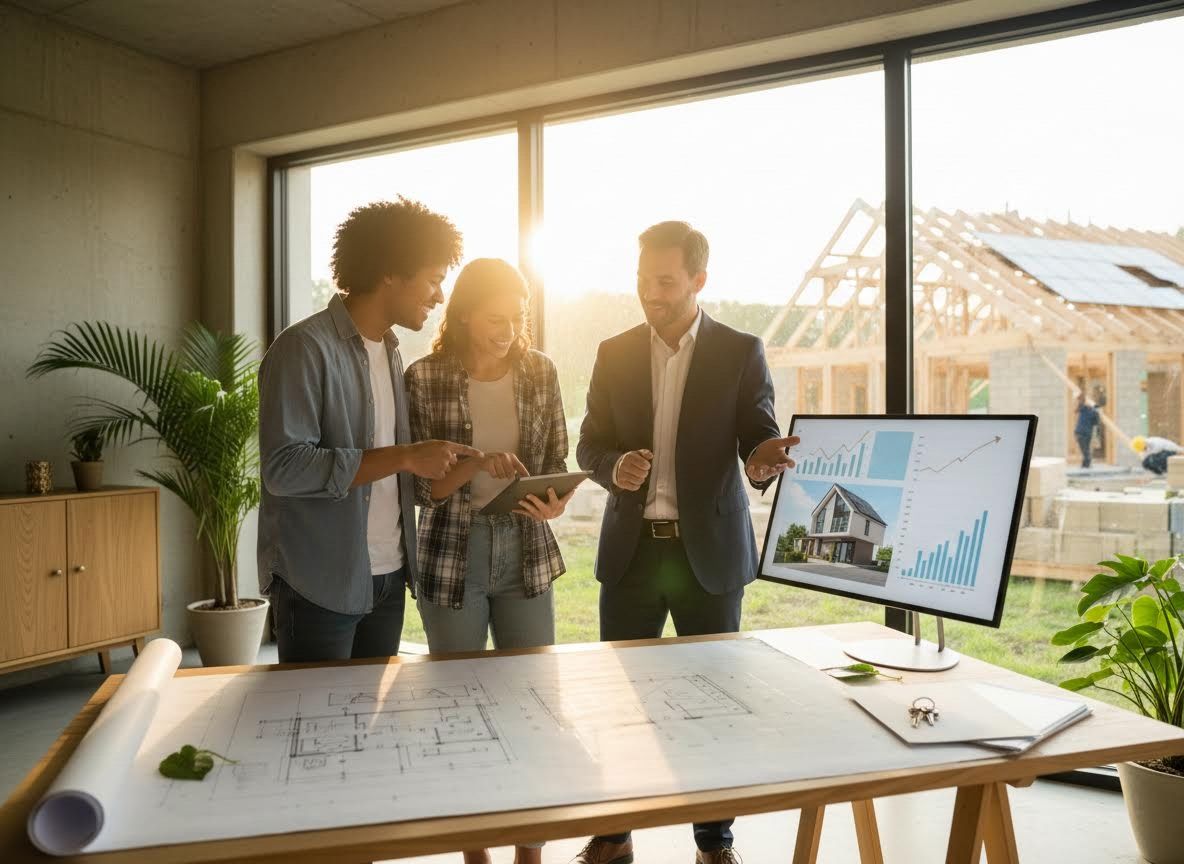
In today's world, the dream of homeownership often comes with a desire for a lifestyle that's both economically sound and environmentally responsible. It's an exciting time where innovative building practices are merging with smart financial strategies, making eco-friendly homes more accessible than ever. At The Hemp Abode, we believe that choosing a sustainable home shouldn't be a luxury, but a viable and affordable option for everyone looking to build a healthier future for themselves and the planet.
The Green Light for Sustainable Home Financing
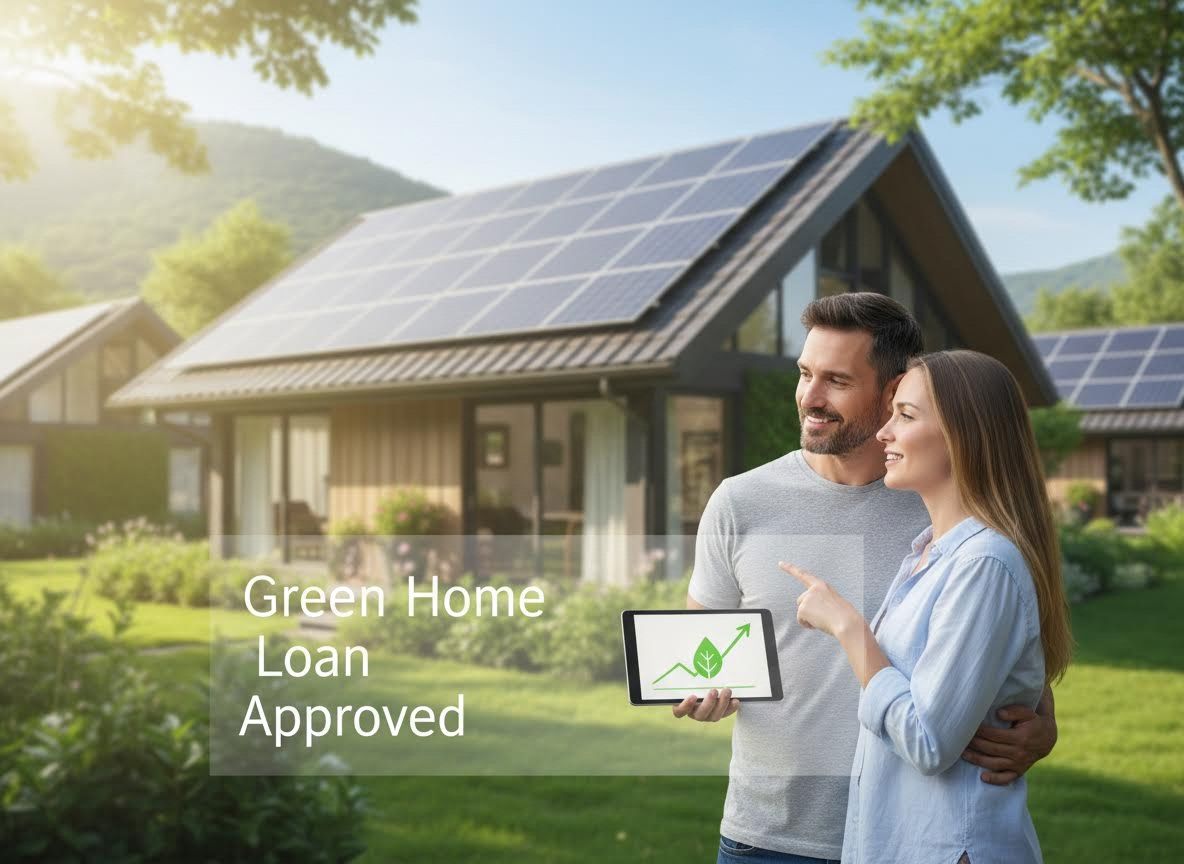
The financial landscape is evolving to embrace green building projects, recognizing their long-term value and positive impact. Banks, credit unions, and even government agencies are increasingly offering specialized loan products, lower interest rates, and advantageous terms for homes that meet specific environmental standards. This includes initiatives like energy-efficient mortgages (EEMs) or green renovation loans, which factor in the reduced operating costs of sustainable properties. Such programs reflect a growing recognition that investing in eco-conscious construction not only benefits the planet but also offers homeowners significant savings over the lifetime of their property.
Building Smart: The Financial Advantages of Eco-Conscious Homes
Opting for a sustainable home extends beyond environmental benefits; it's a shrewd financial decision. Homes built with high-quality, natural materials often boast superior insulation and energy efficiency, leading to substantially lower utility bills year-round. This translates into tangible savings each month, freeing up resources for other priorities. Beyond daily operational costs, sustainable homes, with their innovative designs and durable construction, often command higher resale values, appealing to a growing market of environmentally conscious buyers. This blend of reduced running costs and enhanced asset value makes investing in an eco-friendly dwelling a smart move for long-term financial stability.
Hemp-Based Housing: Affordable Solutions for a Healthier Future
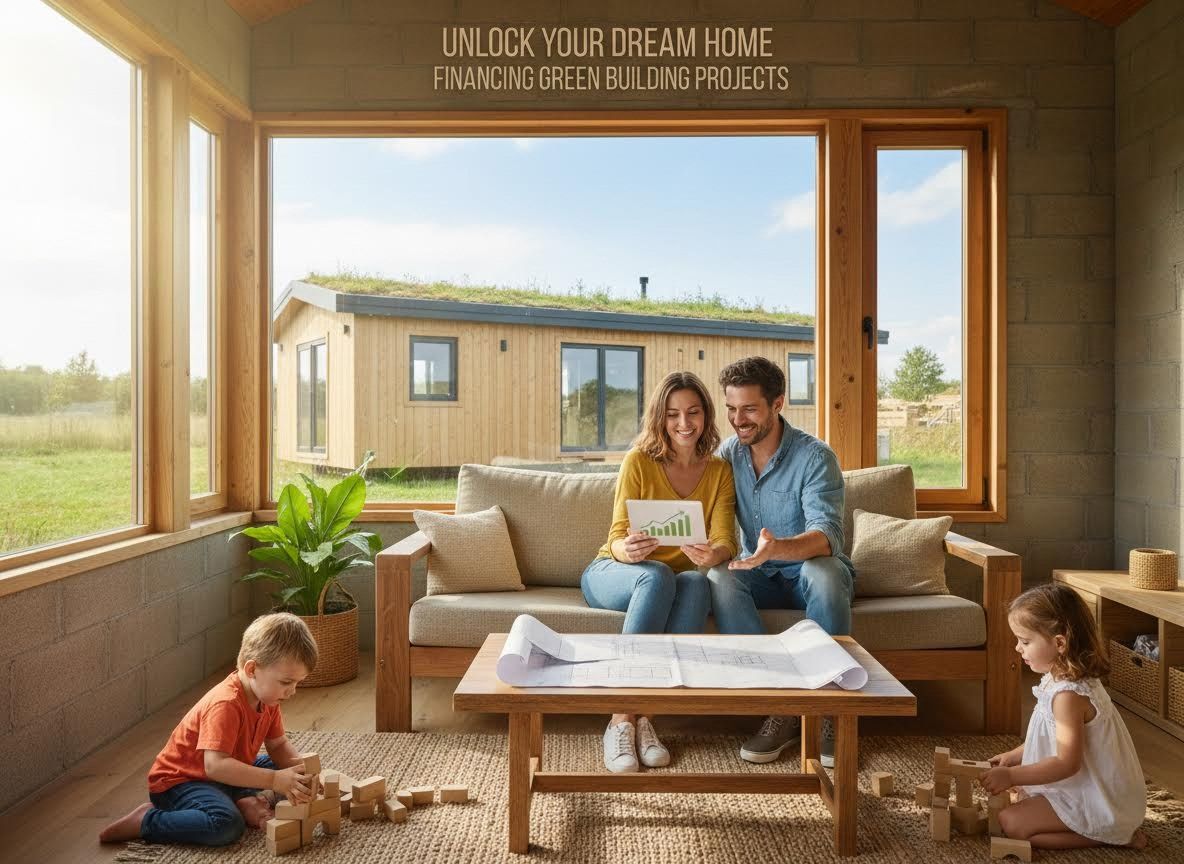
Making eco-friendly living accessible to a broader audience is at the core of sustainable innovation. Solutions like prefab adu kits and accessory dwelling unit kits are revolutionizing how people approach homeownership, offering a path to affordable, high-quality, and quick-to-assemble dwellings. Imagine owning a home constructed from 90% natural plant fibers, offering a non-allergenic, VOC-free environment that actively contributes to reducing greenhouse gas emissions. These hemp houses and hemp homes are not just structures; they are healthy living spaces designed for easy assembly, complete with essential components like windows, doors, and trim, making them perfect for ADUs, rental properties, or compact living spaces.
Navigating Incentives and Ensuring Longevity
Beyond traditional financing, a wealth of incentives exists for green building. Homeowners and contractors can explore local, state, and even federal programs offering tax credits, grants, or rebates for incorporating sustainable materials and energy-efficient systems into their projects. Furthermore, the inherent qualities of eco-friendly construction materials contribute significantly to a home's longevity and resilience. For instance, selecting fire resistant prefab home kits not only enhances safety but can also lead to more favorable insurance rates, adding another layer of financial advantage to your sustainable investment. These combined benefits demonstrate that building green is not just good for the environment, but also smart for your wallet.
Embracing green building projects is a powerful way to unlock your dream home, aligning personal aspirations with environmental stewardship and financial prudence. The journey toward a healthier, more sustainable lifestyle is more attainable than ever, thanks to innovative building solutions and evolving financing options. To discover how eco-friendly, high-quality housing can fit into your vision for the future, we invite you to explore the benefits and possibilities of building with natural materials.